
Magnesium is one of the most essential minerals in the body — and one of the most commonly under-consumed. It’s used by so many functions in the body, from muscle relaxation to nerve signalling and sleep regulation. Studies have shown that up to 75% of adults are not getting adequate amounts of magnesium (source), contributing to widespread deficiency symptoms and imbalance.
If you’re looking for a simple, affordable way to support sleep, muscle relaxation, and nervous system regulation, learning how to make magnesium spray at home is a powerful place to start.
This DIY magnesium spray takes just two ingredients, costs a fraction of store-bought versions, and can easily become part of your evening rhythm — especially during early stages of the GAPS Diet when nervous system support matters deeply.
Let’s walk through exactly how to make magnesium spray with magnesium flakes, how to apply it, and the real benefits you can expect.

What is Magnesium Spray?
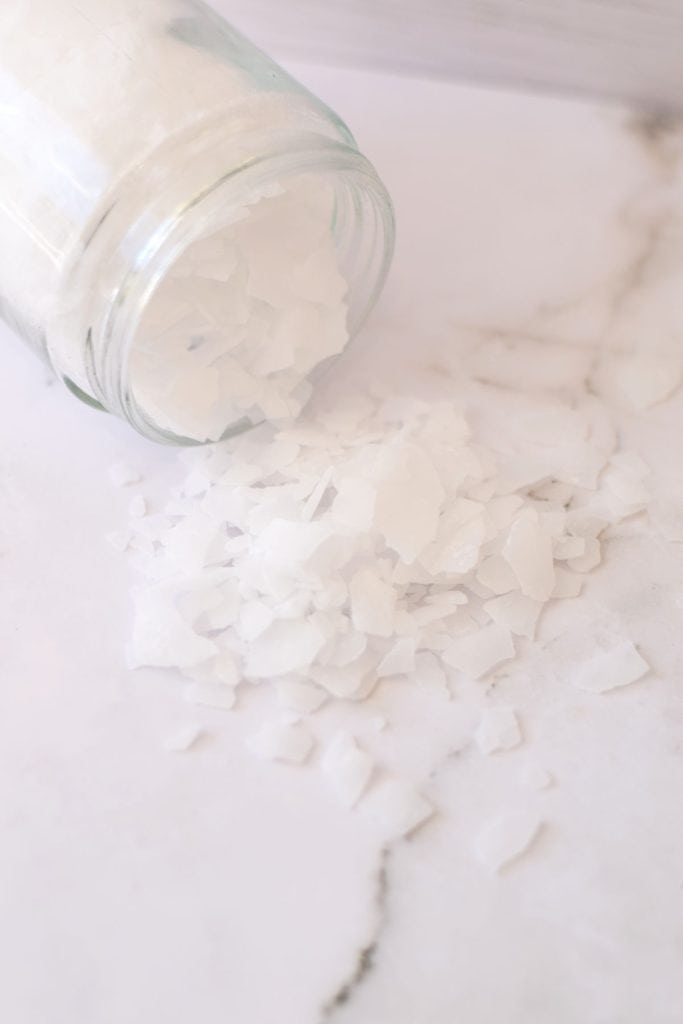
Magnesium spray (often called magnesium “oil”) is a concentrated solution of magnesium chloride flakes dissolved in water.
When applied to the skin, it provides topical (transdermal) magnesium support, which many families use for:
- Sleep support
- Muscle tension
- Growing pains
- Stress regulation
- Assisted relaxation
Magnesium itself plays a role in more than 300 biochemical processes in the body — including energy production, muscle function, and nervous system balance — which is why a deficiency can show up in many ways (source).
Magnesium Spray Benefits
Supports Sleep Naturally
Magnesium helps regulate the nervous system and supports healthy melatonin production. Many families use DIY magnesium spray for sleep by applying it to the feet before bed.
During early GAPS stages, where we often see nervous system dysregulation, magnesium can be a gentle supportive tool alongside nutrient-dense meals, meat stock, and calming routines.
Helps Muscle Tension & Cramps
Magnesium plays a role in muscle contraction and relaxation. Topical application is commonly used for:
- Leg cramps
- Restless legs
- Tight shoulders
- Growing pains in children
Supports Stress & Nervous System Regulation
Magnesium is often called a “calming mineral.” In a mineral-depleted world, replenishment can support:
- Reduced tension
- Improved relaxation
- Better wind-down at night
This aligns with the philosophy of the Gut and Psychology Syndrome approach, where nervous system support is foundational — and minerals play a key role.
How to Make Magnesium Spray with Magnesium Flakes
This is the simplest and most effective 1:1 ratio.
Ingredients
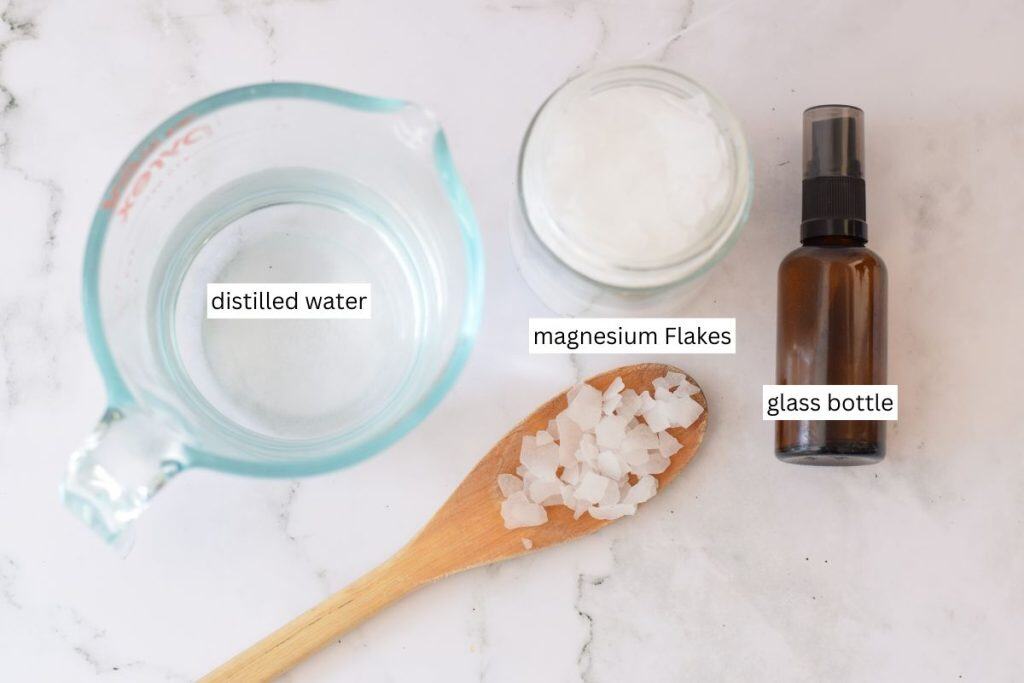
- ½ cup magnesium chloride flakes
- ½ cup distilled water (or filtered, cooled, boiled water)
Instructions
- Warm the distilled water in a pan or kettle.
- Add in the magnesium flakes, stir until combined.
- Pour the mixture into the spray bottle.
- If using essential oils add drops directly to the spray bottle.
That’s it — your homemade magnesium spray is ready.
Why Use Magnesium Chloride Flakes?
Magnesium chloride is highly soluble and well-tolerated for topical use. Avoid Epsom salts (magnesium sulfate) for this recipe — they are better suited for detox baths.
How to Apply Magnesium Spray
If you’re new to applying magnesium spray, start gently and gradually work your way up.
Best Places to Apply
- Bottoms of the feet (especially for sleep)
- Calves
- Shoulders
- Lower back
- Belly
How Much to Use
- Start with 2–4 sprays per area to see how your skin responds.
- Gradually increase the amount over several days or weeks until you reach 10–15 sprays per area, if tolerated.
Tips to Reduce Tingling
- Apply to damp skin
- Dilute with extra water if sensitivity occurs
- Focus on less sensitive areas first (like feet)
The tingling usually decreases over time as your magnesium levels improve.
Does Magnesium Spray Sting?
It can — especially if you’re magnesium deficient. A mild tingling sensation is common at first, but it usually decreases with regular use.

How Long Does Homemade Magnesium Spray Last?
Stored in a sealed glass bottle at room temperature, your DIY magnesium spray will last 6 months or longer.
There are no perishable ingredients — but always:
- Store away from direct sunlight
- Avoid contaminating the bottle
- Discard if cloudiness or contamination appears
Is Magnesium Spray Safe for Children?
In most cases, yes — when used conservatively. Ask your medical provider before using the product on a child. That said, I use this magnesium spray on my child’s feet at night to help him sleep more soundly. I suggest a 1:2 ratio dilution and start with 1-2 sprays.
Homemade Magnesium Spray Benefits vs Store-Bought
Why make your own?
- More affordable
- No preservatives
- No added fragrances
- Customisable strength
- Higher quality control
Many commercial sprays dilute the formula significantly or include unnecessary additives.
FAQ
If you have specific health conditions, especially kidney problems or you’re on prescription drugs that affect mineral balance, it is crucial to consult with a medical provider before adding magnesium oil spray to your regimen.
Supplements like magnesium are generally considered beneficial during pregnancy and while nursing, but check with your medical practitioner if you have any concerns.
Most people use it nightly before bed. Start 3–4 times per week and increase as tolerated.
Some people report feeling more relaxed within days. For others, consistent use over weeks is key.
Yes, if tolerated.
Magnesium has a handy way of letting you know if you are using too much, it will cause loose bowel movements. I use about 10-20 sprays of magnesium oil every day.
There are some risks associated with certain essential oils, but some can also be very beneficial. Adding a few drops of generally skin-safe oils (like lavender) adds a nice scent and some health benefits. As always, do your own research first.
I wouldn’t. The sensitive skin on the face could be irritated by magnesium, and isn’t the best place to absorb magnesium.
If you make this DIY and love it, please give it 5 stars! Also, tag me on Instagram @nourishmecookery
Have you tried magnesium to help reduce stress or improve sleep? Ever tried to make your own? Share below!
More DIY Recipes
How to make Magnesium Spray

Learn how to make magnesium spray with magnesium flakes for sleep, relaxation and muscle support. Discover benefits, application tips and how long it lasts.
Materials
- 2 tbsp magnesium chloride flakes
- 2 tbsp distilled water (or filtered cooled boiled water)
- Essential oils (optional)
- Measuring jug
- Measuring spoon
- 50ml Glass spray bottle
Instructions
- Warm the distilled water in a pan or kettle.
- Add in the magnesium flakes, stir until combined.
- Pour the mixture into the spray bottle.
- If using essential oils, add drops directly to the spray bottle.
Notes
- Use a 1:1 ratio of magnesium flakes to water. For kids a 1:2 ratio.
Use calming essential oils like lavender or chamomile.
Aim for 10-20 sprays per day
The information in this blog post is my personal experience and for educational purposes only. It is not intended to diagnose, treat, cure or prevent any disease; and does not consider your individual situation. If you have medical questions, please consult with a qualified medical practitioner.
Last Updated on 24/02/2026 by Rebecca MacTavish

I’m Rebecca, a Certified GAPS & Nutrition Coach, and I help busy mums restore their family’s gut health—one kitchen, one meal at a time. I share practical tips, simple recipes, and ways to create lasting change.
Did you make a recipe? Tag @nourishmecookery on Instagram so we can find you!
Leave a Reply